Hyperbaric Chambers
A hyperbaric chamber (also called a hyperbaric oxygen chamber or decompression chamber) is a pressure vessel used to administer hyperbaric oxygen therapy. These chambers allow patients to breathe 100% oxygen at pressures greater than atmospheric pressure.
The physics behind every chamber is the same: raising ambient pressure increases the amount of oxygen dissolved directly in blood plasma, following Henry's law. At 2.0 ATA breathing 100% oxygen, plasma carries roughly ten times more dissolved oxygen than at sea level — enough to keep tissues supplied even where red blood cells cannot reach, which is the mechanism behind HBOT's use in wound healing, carbon monoxide poisoning and decompression sickness.
What differs between chambers is the engineering: how the vessel is pressurized (pure oxygen vs compressed air), how many people it holds, what pressure it is rated for, and whether it is a fixed installation or a portable unit. Those four variables define the three chamber families described below.
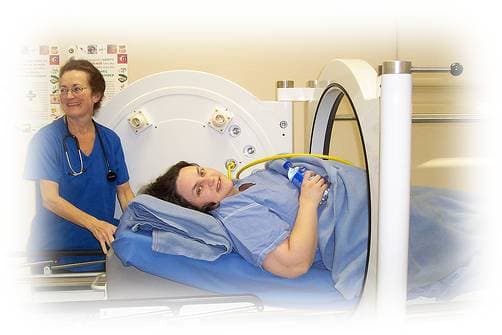

Monoplace Chambers
Monoplace chambers are designed for a single patient. The entire chamber is pressurized with 100% oxygen, which the patient breathes directly. These chambers are typically transparent acrylic cylinders.
Advantages:
- Lower initial cost
- Easier to operate
- Requires less space
- Lower operational costs
Disadvantages:
- No medical intervention during treatment
- Can cause claustrophobia
- Limited monitoring capabilities
Chamber Components
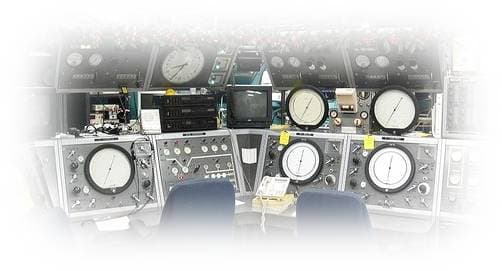
Modern hyperbaric chambers feature sophisticated control systems for precise pressure management, oxygen delivery, and patient monitoring.
- • Emergency pressure relief valves
- • Fire suppression systems
- • Communication systems
- • Backup oxygen supply
- • Pressure monitoring
- • Temperature control
Choosing and Buying a Chamber
Chambers range from four-figure fabric mild-HBOT bags to hospital installations costing millions, and the market has grown crowded enough that specifications — not marketing labels — should drive any decision. The questions that matter: What working pressure is the vessel actually rated and certified for? Is it pressurized with oxygen or air, and how is oxygen delivered? What certification trail backs the pressure vessel (CE, ISO 13485, ASME PVHO for clinical units)? What does service and warranty support look like in your country?
For private buyers and small facilities comparing current models, a well-documented commercial catalog of hyperbaric chambers for sale is a practical reference point for what the soft-shell and hard-shell segments cost today — from portable 1.3–1.5 ATA units to 2.0 ATA multi-seat systems. Whichever vendor you consider, verify the pressure rating against the certification documents and confirm the contraindications with a physician before purchase; the sections on portable, monoplace and multiplace chambers on this site explain what each architecture can and cannot do.
Learn about hyperbaric oxygen therapy indications and protocols.
Portable and mild hyperbaric chambers for home, sports and field use.
Discover the therapeutic benefits of hyperbaric oxygen therapy.