Brain Hypoxia (Cerebral Hypoxia)
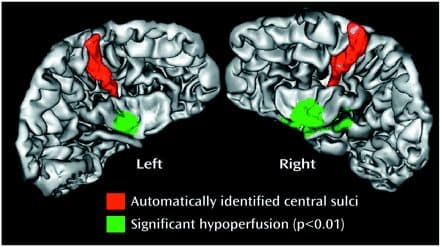
Brain hypoxia, also known as cerebral hypoxia, occurs when the brain doesn't receive enough oxygen. Even a few minutes without oxygen can cause brain cells to begin dying, leading to potentially permanent brain damage or death.
Types of Hypoxia
Hypoxic Hypoxia
Occurs when there is insufficient oxygen in the air or when the lungs cannot properly extract oxygen from the air. Common causes include high altitude, suffocation, or lung diseases.
Anemic Hypoxia
Results from the blood's inability to carry sufficient oxygen, often due to anemia or carbon monoxide poisoning.
Stagnant (Ischemic) Hypoxia
Caused by inadequate blood flow to the brain, as seen in stroke, heart failure, or shock.
Histotoxic Hypoxia
Occurs when cells are unable to use oxygen properly, often due to poisoning (e.g., cyanide poisoning).
Symptoms
Symptoms of brain hypoxia depend on the severity and duration of oxygen deprivation:
- Mild: Difficulty with complex tasks, poor judgment, inattention
- Moderate: Confusion, disorientation, changes in behavior
- Severe: Seizures, loss of consciousness, coma, brain death
Hyperbaric Oxygen Therapy for Brain Hypoxia
Hyperbaric oxygen therapy (HBOT) can be an effective treatment for certain types of brain hypoxia by:
- Delivering high concentrations of oxygen to damaged brain tissue
- Reducing brain swelling and inflammation
- Promoting angiogenesis (new blood vessel formation)
- Mobilizing stem cells for tissue repair
- Reducing oxidative stress
Learn how hyperbaric oxygen therapy works and its approved indications.
Understand how altitude affects oxygen levels and causes hypoxia.
Explore the various benefits of hyperbaric oxygen therapy.