Altitude Sickness: Symptoms, Prevention, and Treatment
Altitude sickness, also known as acute mountain sickness (AMS), occurs when you cannot get enough oxygen from the air at high altitudes. This causes symptoms that can range from mild to life-threatening.
What Causes Altitude Sickness?
As altitude increases, atmospheric pressure decreases, resulting in less oxygen available with each breath. Your body needs time to adjust to the decreased oxygen at higher elevations. This adjustment process is called acclimatization.
Altitude Classifications
- High Altitude: 8,000 to 12,000 feet (2,438 to 3,658 meters)
- Very High Altitude: 12,000 to 18,000 feet (3,658 to 5,487 meters)
- Extreme Altitude: Above 18,000 feet (5,487 meters)
Symptoms
Mild Altitude Sickness (AMS)
- Headache
- Fatigue and weakness
- Dizziness or lightheadedness
- Nausea or vomiting
- Loss of appetite
- Difficulty sleeping
High Altitude Pulmonary Edema (HAPE)
A life-threatening condition where fluid builds up in the lungs.
- Extreme fatigue
- Shortness of breath at rest
- Rapid heartbeat
- Coughing (may produce frothy or bloody sputum)
- Chest tightness or fullness
- Blue or gray lips and fingernails
High Altitude Cerebral Edema (HACE)
A life-threatening condition where fluid builds up in the brain.
- Severe headache that doesn't respond to medication
- Confusion and irrational behavior
- Loss of coordination (ataxia)
- Difficulty walking
- Hallucinations
- Loss of consciousness
Prevention
- Ascend Gradually: Allow your body time to acclimatize
- Stay Hydrated: Drink plenty of water
- Avoid Alcohol: Alcohol can worsen symptoms
- Medication: Acetazolamide (Diamox) can help prevent AMS
- Listen to Your Body: Don't ignore symptoms
Treatment
Mild Cases
- Stop ascending and rest
- Hydrate and eat light meals
- Take pain relievers for headaches
- Wait for symptoms to improve before ascending further
Severe Cases
- Descend Immediately: Even 1,000 feet can help
- Supplemental Oxygen: Breathe oxygen if available
- Hyperbaric Chamber: Portable hyperbaric chambers simulate descent
- Medications: Dexamethasone for HACE, nifedipine for HAPE
- Emergency Medical Care: Seek immediate help for HAPE or HACE
Decompression Chambers for Pilots
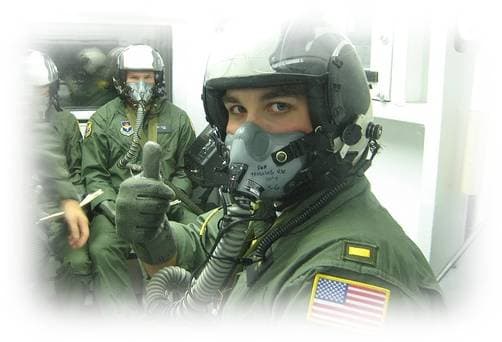
Military and commercial pilots use hypobaric (altitude) chambers for training to recognize their personal symptoms of hypoxia. These chambers simulate high-altitude conditions and help pilots learn to identify and respond to oxygen deprivation.
Understand how lack of oxygen affects the brain.
Learn about chambers used for treatment and training.
General information about hyperbaric oxygen therapy.