Diabetic Foot Ulcers and Hyperbaric Oxygen Therapy
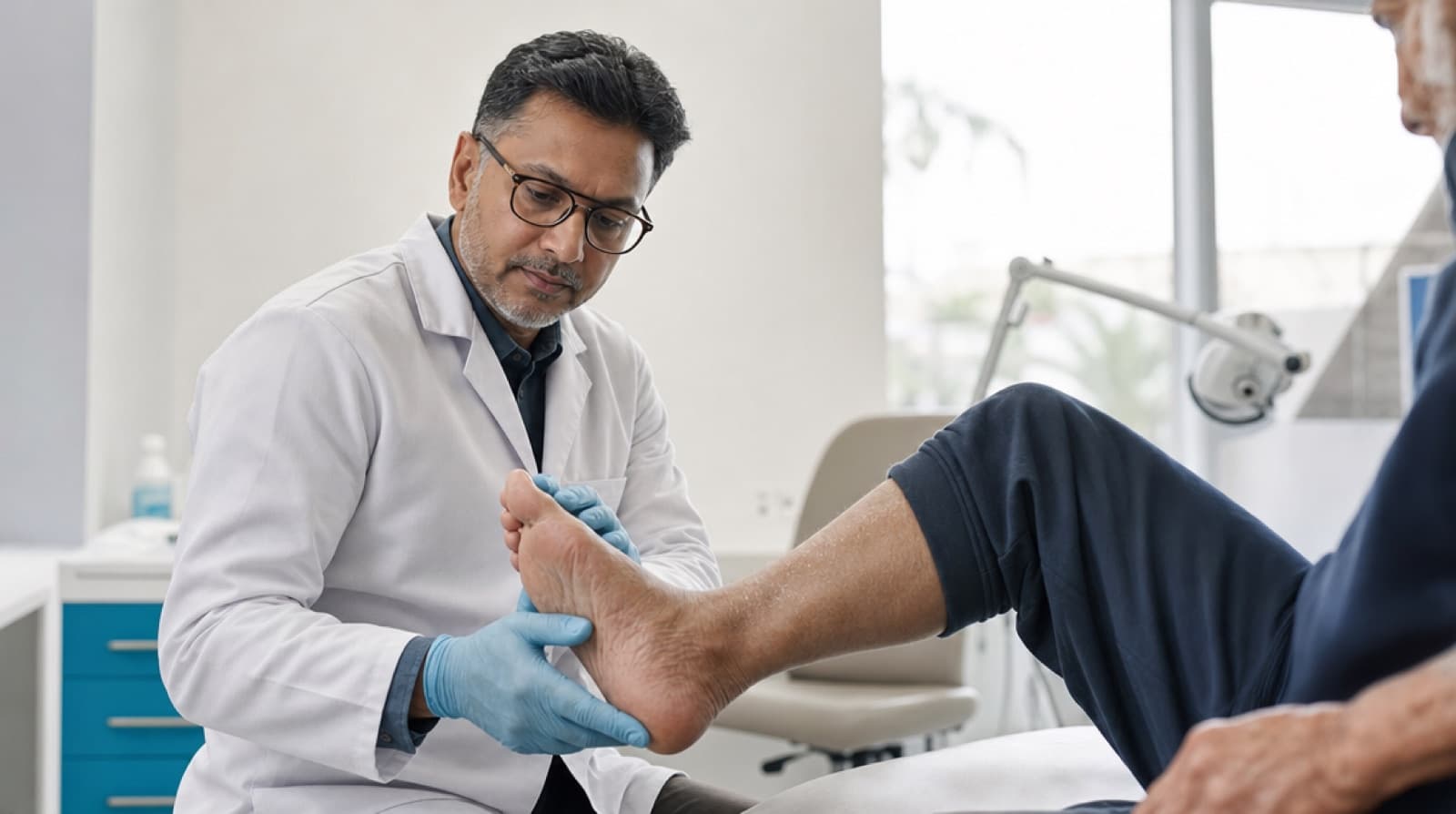
A diabetic foot ulcer is an open wound, usually on the bottom of the foot, that develops in people with diabetes and is often slow or unable to heal on its own. These wounds are one of the most serious complications of diabetes: left unhealed, they are a leading cause of infection, hospitalization, and lower-limb amputation. This is why non-healing diabetic wounds are among the most studied indications for hyperbaric oxygen therapy (HBOT).
Why diabetic ulcers heal so poorly
Three problems combine in diabetes to sabotage healing:
- Poor circulation. Diabetes damages both large and small blood vessels, reducing the blood — and therefore the oxygen — reaching the foot.
- Neuropathy. Nerve damage dulls sensation, so injuries go unnoticed and unprotected until they become ulcers.
- Impaired immunity. High blood sugar weakens the immune response, making infection more likely and harder to clear.
The common thread is oxygen. A wound that cannot get enough oxygen sits in a state of chronic hypoxia, and oxygen-starved tissue simply cannot build new blood vessels, fight infection, or lay down collagen effectively.
How HBOT supports diabetic wound healing
Hyperbaric oxygen addresses the oxygen deficit head-on. By dissolving oxygen directly into the plasma at pressure, HBOT can drive oxygen into tissue that damaged vessels can no longer supply. In the wound, that extra oxygen supports the core steps of wound healing:
- Stimulating growth of new blood vessels (angiogenesis)
- Boosting the ability of white blood cells to kill bacteria
- Supporting collagen production and formation of healthy granulation tissue
Used as an adjunct in selected patients — typically those with deeper, infected, or non-healing ulcers that have not responded to good standard care — HBOT has been studied as a way to improve healing and reduce the risk of major amputation.
Part of a complete wound-care plan
HBOT is never a substitute for the foundations of diabetic foot care: blood-sugar control, taking pressure off the wound (offloading), keeping the wound clean, treating infection, and restoring blood flow where possible. It is an addition to that plan, delivered in a hyperbaric chamber, and the decision to use it is made by a wound-care team based on the specific ulcer.
For detailed medical information, please consult with a qualified healthcare professional.
Sources
The biology of repair and oxygen’s role.
Hyperbaric oxygen indications and mechanisms.
The healing effects oxygen therapy can support.