Benefits of
Hyperbaric Oxygen Therapy
Speaking of the benefits of Hyperbaric Oxygen Therapy - scientific studies of last decades in the effects of HBOT at the cellular level have provided enough convincing data making the majority of rational physicians and scientists to consider HBOT as an effective therapy able to increase sufficiently healing results in specific conditions, having a life-saving effects in part of them.218
The fact is the Hyperbaric Oxygen Therapy is the most natural way of letting the body healing itself.
The primary effect of HBO, hyperoxygenation generates a favourable gradient for oxygen diffusion from functioning capillaries to ischaemic / hypoxic tissues.
By altering conditions of local hypoxia, HBOT facilitates the wound-healing processes such as fibroblast proliferation or angiogenesis.219
-- J. H. Jacobson
So What Is The List Of Benefits Of Hyperbaric Oxygen Therapy?
- HBOT assists in rehabilitation by stimulating production of the bodys stem cells
- HBOT boosts immune system function
- HBOT decreases swelling and inflammation
- HBOT delivers oxygen to tissues up to 25 times normal levels
- HBOT heals injuries much faster
- HBOT helps the body to clear toxins
- HBOT increases the bodys ability to fight infection
- HBOT promotes regeneration of injured tissues
- HBOT reduces fatigue from chronic hypoxia
- HBOT stimulates brain & nerve cells recovery from injury (hypoxic penumbra)
- HBOT stimulates collagen production speeding up the wound healing process
- HBOT supports growth of new blood vessels
Several physiologic mechanisms listed below are promoting the benefits of Hyperbaric Oxygen Therapy
Hyperoxygenation
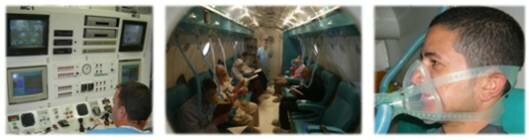
Ischemic and poorly perfused tissues and body sites with compromised blood flow are immediately and positively affected by hyperoxygenation whch is the state achieved inside Hyperbaric Chamber only when oxygen concentrations in blood plasma elevated from 10 to 25 times its normal levels.
Comparing to normobaric conditions this equals to approximately 6 times deeper oxygen diffusion/penetration distance from the functioning blood vessels and capillaries while levels of arterial oxygen are elevating up to 1,500 mmHg!
Although this over-delivery of oxygen maintained only while the patient is inside Hyperbaric Chamber, its beneficial role is of a great significance: it allows triggering a primary and secondary effects of hyperbaric oxygen treatment, it allows to win time in critical and acute conditions for corrective measures to be performed. Hyperoxygenation of tissues and body fluids is undoubtedly the most remarkable among benefits of Hyperbaric Oxygen Therapy. 123, 124, 125
Elevated pressure
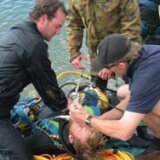
During the last century treatment by oxygen and increased pressure in hyperbaric / decompression chambers proved to be a single extremely effective method to heal cerebral arterial gas embolism and decompression sickness ("the Bends") - both conditions are very common in scuba diving and navies. If left untreated both conditions can lead to significant morbidity and mortality.
Neovascularization
Among delayed benefits of Hyperbaric Oxygen Therapy is the secondary effect of HBOT called Neovascularization. This effect plays special role in wound healing and non healing wounds treatment in conditions such as Diabetic Ulcers, Peripheral Vascular Insufficiency Ulcers, Refractory Osteomyelitis, Late Radiation Tissue Damage such as Radiation Necrosis and other conditions associated with compromised blood vessels formation.
Therapeutic activities of HBOT stimulate division of fibroblast cells which make up connective tissues and promote formation of new elastic tissue called Collagen. Neovascularization is proved to be beneficial in Capillary Angiogenesis of body sites with poor blood vessel formation.
Hyperoxia
HBOT helps to fight toxins and enhances therapeutic effects of antibiotics. Antimicrobial activity of hyper oxygenated tissues is often referred to as a Hyperoxia. It inhences our immune systems ability to kill or inhibit Gas Gangrene (Clostridial Perfringens) infections by helping our White Blood Cells oxidative killing abilities.221
The process of White Blood Cells ingestion of the infective bacteria called Phagocytosis. Hyperoxia enhances Phagocytosis. How? - The growth of anaerobic, facultative, and aerobic microorganisms is inhibited when the microbes are subjected to hyperoxic environment. Hyperoxia blocks production of the exotoxin produced by the Clostridium species which may be why HBO, in conjunction with antibiotics and surgery, has been beneficial in treating Clostridial myonecrosis.
Vasoconstriction
Acute ischemia is often caused by so-called Compartment Syndrome which can be a result of traumatic injuries, sugery or some other reasons. A mechanism called Vasoconstriction is proved to be helpful in reducing Interstitial Edema (fluids accumulated within tissues around the blood vessels in the ischemic sites) thus healing intermediate Compartment Syndrome, Thermal Burns and other ischemic conditions.90, 91 Peripheral vasoconstriction reduces blood flow to the tissues: brain, kidney, eye, etc., and increases peripheral resistance.126, 127
HBO also reduces cardiac output due to bradycardia. These combined effects maintain blood pressure. There is no impairment to the tissues since the elevated PaO2 more than compensates for the reduction in blood flow.
Vasoconstriction has not been found to occur in hypoxic tissues such as chronic skin ulcers, and therefore, these tissues may receive proportionately more blood flow during HBOT. In addition, the plasma is able to carry dissolved oxygen to areas where red blood cells cannot go which may also benefit hypoxic tissues.